Are you faking it?: Imposter Syndrome
Mental health struggles feel isolating, though everyone experiences ups and downs. they're just not typically shared publicly. We see curated versions of people's lives and assume we're the only ones falling apart behind the scenes. But the truth is, almost everyone is navigating something difficult. The difference is whether we talk about it.
One of the most common and least discussed struggles is imposter syndrome.
You've felt it. That nagging voice after a promotion: "They'll figure out I don't belong here." The hesitation before sharing an accomplishment because it might seem like bragging. or worse, because you're not sure you actually earned it. The reluctance to negotiate a salary because deep down, you wonder if you even deserve what you're already making.
What is Imposter Syndrome?
According to Dr. Terry Fitzsimmons from The University of Queensland, imposter syndrome involves regularly questioning the validity of your achievements and attributing success to luck rather than ability. Sufferers often feel unworthy of recognition and maintain exhausting perfectionism to compensate. It is inextricably linked to self-doubt and low self-esteem.
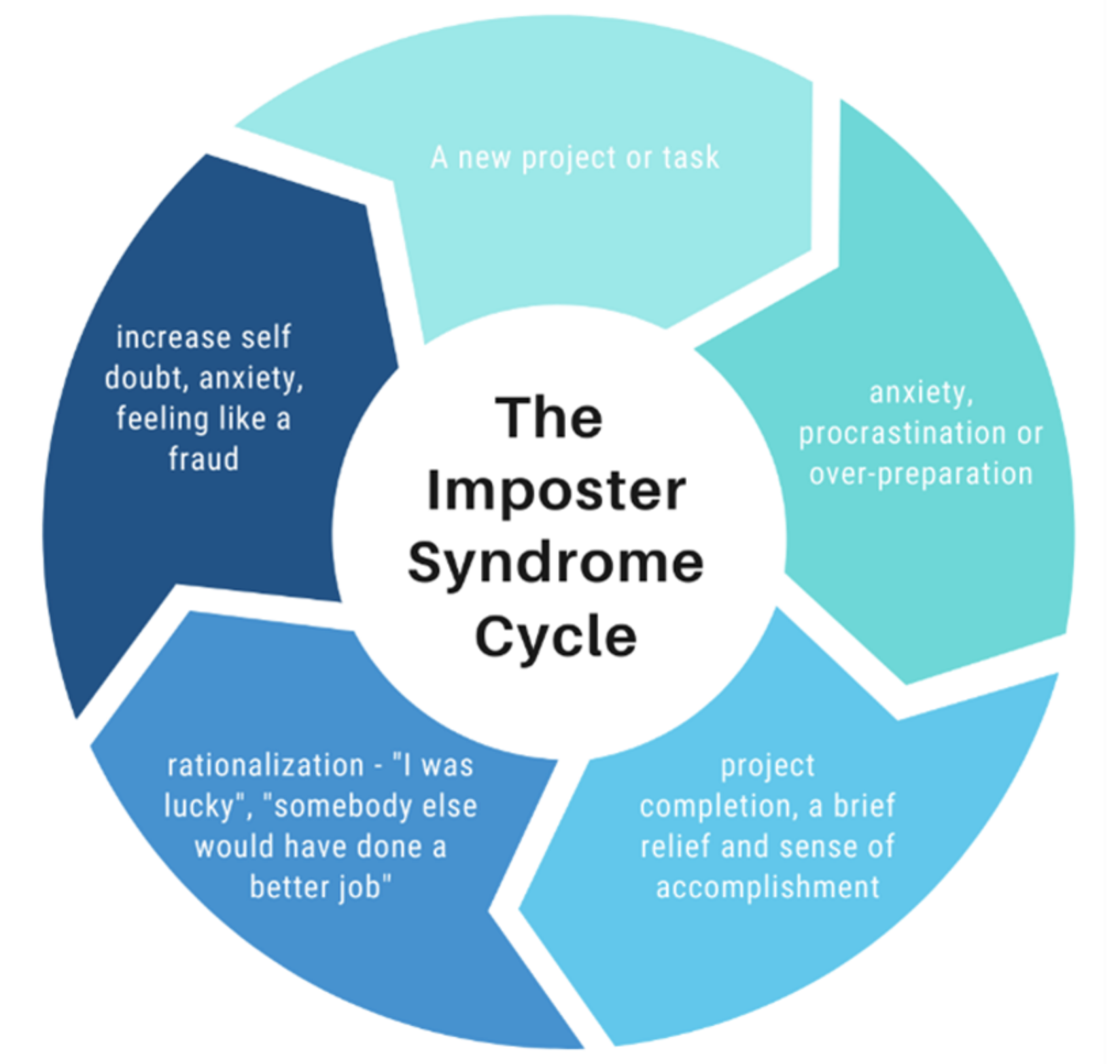
The Cycle
Imposter syndrome is a learned behavioral pattern triggered by neuroplasticity. habitual mental responses that create negative spirals. It works like this: a new task triggers anxiety. You push through and complete it, experiencing temporary relief. But then rationalization kicks in. "I didn't do it well enough" or "anyone could have done that". and the cycle restarts. The accomplishment never gets internalized. The doubt never goes away.
Signs You're Experiencing It
- Attributing success to chance rather than effort
- Feeling inadequate despite qualifications
- Inability to internalize achievements
- Magnifying failures and minimizing wins
- Perfectionism that's never satisfied
- Overworking to "prove" you belong
Strategies for Overcoming It
- Analyze yourself factually. Conduct a personal SWOT analysis. strengths, weaknesses, opportunities, threats. Ground your self-assessment in evidence, not feelings.
- Acknowledge and release feelings. Name what you're experiencing. "I feel like a fraud" is different from "I am a fraud." One is an emotion. The other is a conclusion. Don't confuse the two.
- Reframe thoughts realistically. When you catch yourself attributing success to luck, ask: would you say the same about a colleague in your position?
- Share experiences with trusted people. You'll be surprised how many people relate. Isolation feeds the imposter. Connection starves it.
- Learn collaboratively. Nobody knows everything. Asking questions isn't weakness. it's how expertise is actually built.
- Practice self-compassion. Treat yourself with the same kindness you'd offer a friend in your situation.
Everyone starts somewhere. Greatness requires risk. As Robert F. Kennedy once said, "Only those who dare to fail greatly can ever achieve greatly."
You're not faking it. You're figuring it out. And that's exactly what you're supposed to be doing.