Amygdala hijack and Samadhana
I was deep in focus, working on something that demanded my full attention. My mother called me for lunch. I snapped at her. Not a mild annoyance -- a full, disproportionate outburst directed at the person who least deserved it. The moment it happened, I knew it was wrong. But the damage was done.
This is what psychologist Daniel Goleman calls an "amygdala hijack."
The amygdala is a small, almond-shaped structure located near the base of the brain. It is the brain's emotional processing center -- it assigns meaning to experiences, processes emotions like fear and pleasure, and triggers our fight-or-flight responses. It evolved to help us survive genuine threats: predators, danger, life-or-death situations.
But here is the problem. The amygdala does not distinguish between a tiger in the wild and your mother interrupting your work. It performs two continuous functions: labeling incoming sensory information as pleasant, unpleasant, or neutral, and triggering behavioral responses -- approach, avoid, or ignore. When you are emotionally charged, information reaches the amygdala before the rational frontal cortex has a chance to process it. Your emotions react before your logic can intervene.
That is exactly what happened to me. My concentrated state was disrupted, the amygdala flagged it as a threat, and I responded with aggression -- all before the rational part of my brain could step in and say, "It is just lunch. Calm down."
The solution lies in activating the frontal cortex -- the brain's rational center. Three practical steps help: first, acknowledge that you are stressed. Awareness is half the battle. Second, become conscious of your emotional reactions as they happen. Third, practice the principle of "Keep calm, listen, and breathe."
This is not new wisdom. The ancient Sanskrit concept of Samadhana speaks to exactly this -- the proper settling of the mind, the ability to maintain equanimity regardless of external disturbances. Yoga and meditation are not merely wellness trends; they are time-tested tools for emotional regulation, designed to strengthen the connection between the emotional brain and the rational brain.
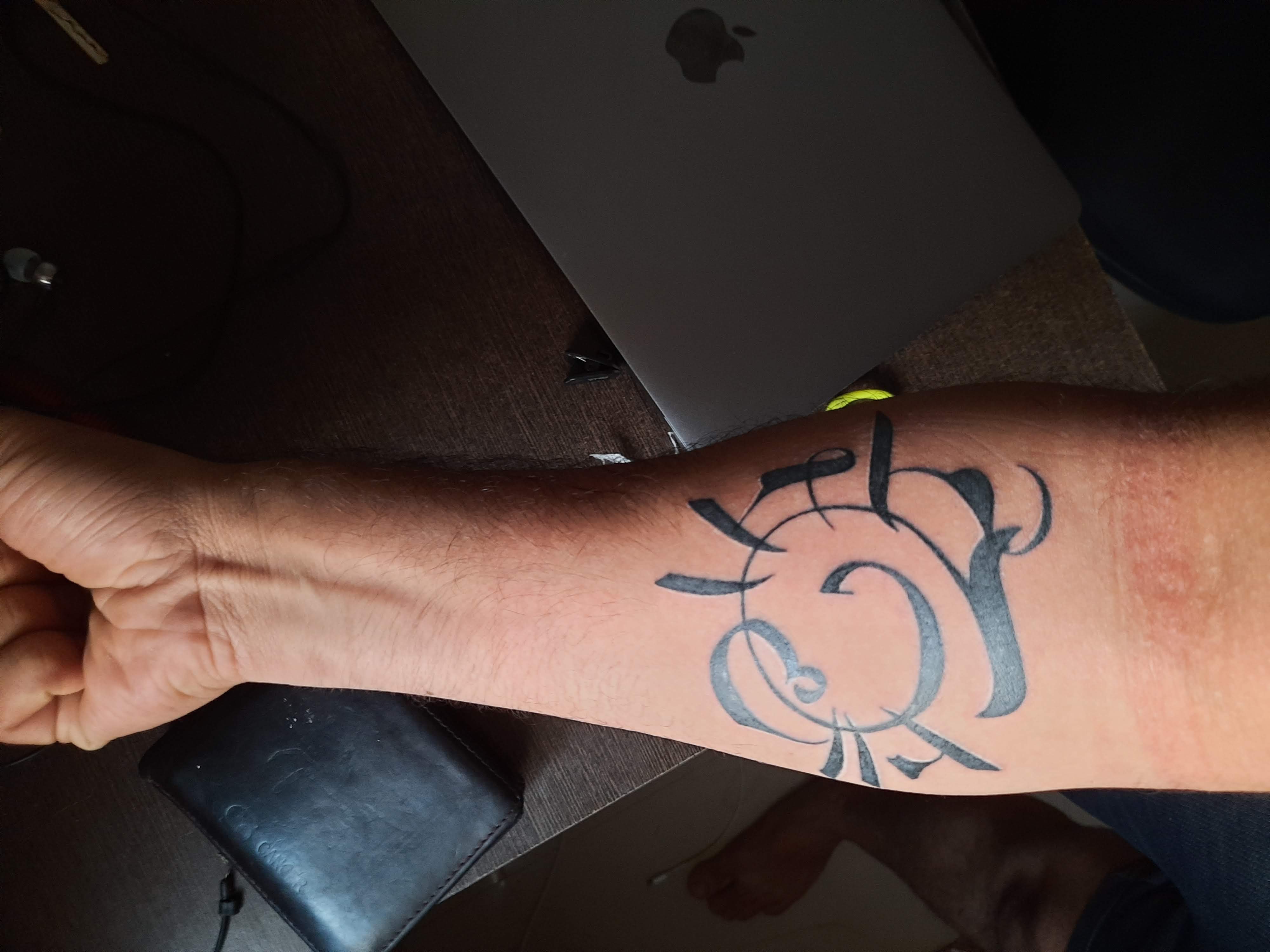
After my outburst, I felt immense guilt. But guilt, when channeled correctly, becomes motivation. I started paying closer attention to my triggers, writing down worst-case scenarios when anxious thoughts arose, and practicing perspective-taking -- asking myself, "Will this matter on my deathbed?"
The amygdala will always be there, doing its job. The goal is not to silence it but to ensure the frontal cortex gets a say before you act. That pause -- that breath between stimulus and response -- is where emotional intelligence lives.